
Still in the camp: an ongoing reality
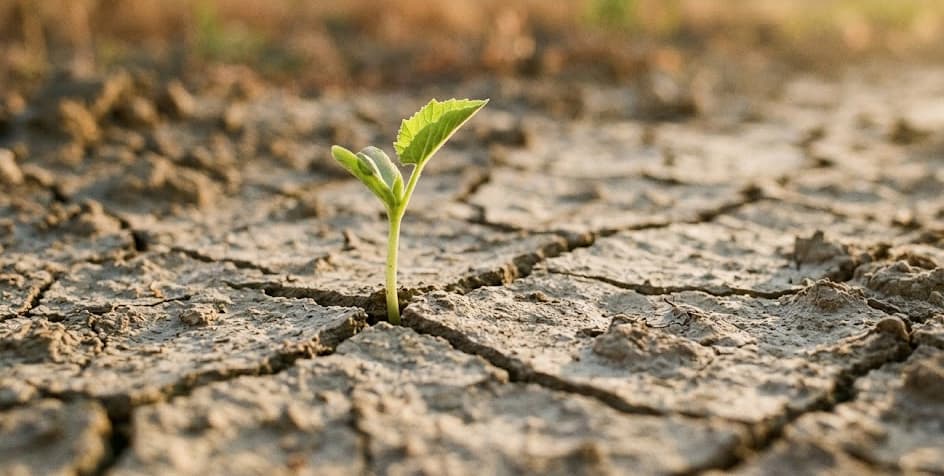
Life here often feels like trying to plant seeds in dry soil. The ground looks barren, the conditions unforgiving, and the chances of growth appear slim. I don’t write this from a place of victory, looking back on a hardship I have already overcome. I write this from inside the hardship itself—from a camp where nine years have passed, and the soil still feels hard under my feet.
The daily questions of persistence
I have learned the meaning of patience and persistence by heart—not from a textbook, but from living the questions every single day. What does it take to keep going when nothing changes? How do you hold onto hope when the door you are knocking on refuses to open? These are the questions that sit at the back of my mind as I walk the dusty paths of this camp. They are what keep me filling out forms, even when I am not sure anyone will read them. For me, the dream of a new beginning is not a policy or a process. It is the possibility of a door opening to a place where the ground might offer not just survival, but the chance to truly belong.
Planting without certainty
I remember the day I decided to plant anyway. Not because the conditions improved, but because I could not bear to let hope die completely. A small seed was placed in the ground—watered with persistence rather than promises. It was a quiet, almost foolish act of defiance against the emptiness around me. In that moment, I was creating hope after displacement, even when displacement had not yet ended.
Days passed. The camp remained the same. The waiting continued. But against all odds, a fragile green shoot appeared. It did not change my circumstances. It did not open a door to a new country. But it reminded me that life can still surprise us, even when everything else stays frozen. That is the resilience I cling to—not as a guarantee, but as a lifeline.
Resilience in the harshest environments
That moment taught me something I hold onto daily: dignity and resilience can take root in the harshest environments, even when the environment itself does not change. What looks like emptiness can still become a space for growth—not as an escape, but as a way of surviving with our humanity intact.
Choosing to plant in the dry season
Our journeys are much the same. We face seasons of dryness that do not end with the calendar. Setbacks, disappointments, and unexpected turns become our daily companions. In this camp, the dryness is not a passing phase; it is the landscape I wake up to every morning.
Yet within that reality lies a choice: to plant something new anyway—courage, faith, or a dream we thought had withered. I do not plant with the certainty of harvest. I plant because the act of planting keeps me human. It connects me to the hope that one day, somewhere like Netherlands, the US or Canada, the soil might be softer, and the future less uncertain. These are the lessons from hardship that no classroom could ever teach.
What the harsh ground reveals
Harsh ground has a way of revealing what we are made of, especially when we are still standing on it. It strips away pretense and shows me that I am both more fragile and more resilient than I ever imagined. When every drop of kindness counts, I learn to cherish the small gestures that come my way—from fellow residents, from visitors, from the rare moments of connection that pierce the isolation.
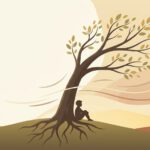
I am learning that the deepest roots are not the ones that grow fast; they are the ones that hold on when the ground refuses to give. My roots are here, in this dry soil, and they are growing deeper every day—not because I want them to, but because they must.
Active hope: dreaming of a future
There is a defining choice I make every morning in this camp: will I plant again today? Not because I have seen rain, but because I have seen what happens when people stop planting—and I refuse to let that be my story.
My hope is not passive. It is active, demanding, and often exhausting. It looks like filling out applications I am not sure will be read. It looks like dreaming of a place where private resettlement or sponsorship might offer not just survival, but the possibility of a real home. This hope is not about escaping the camp; it is about believing that my family deserves a future beyond it.
A call to witness, not just rescue
If you are reading this from a country that opens its doors to displaced people through community sponsorship or resettlement programs, I want you to know: supporting refugees in your community starts with simply seeing us. Not as statistics, but as people. People who have survived, who are still planting, and who are waiting for someone to say, “I see you. You belong here.”
I share these words not as someone who has arrived, but as someone still walking the dusty path. I do not know if the door will open. But I know that I will keep knocking, keep planting, and keep sharing these honest steps.
Final thoughts from the dry ground
If you are wondering how to help, know this: I am not looking for rescue. I am looking for witness. For people in welcoming communities across the world to see me—not as a cause, but as a person. A person who is still standing, still planting, and still hoping that one day, the soil will be softer.
So, if you find yourself in a season where the soil feels too dry, remember: you are not alone. Plant anyway. Water your hopes with small acts of persistence. And if you or your community have the power to open a door through sponsorship or advocacy, consider who might be standing on the other side, waiting for a chance to grow.
– Fabien
Stories from the Road
Dispatches, discoveries, and new posts — sent straight to your inbox.